TL;DR
- Shaving is cheap, accessible, and the most popular way to get smooth skin
- Trimming cuts body hair short without the irritation of shaving
- Waxing, epilating, and depilatory creams give longer-lasting results with trade-offs
- IPL and salon laser are closer to permanent reduction if you can invest in them
A big part of being a femboy is showing off smooth, soft, hairless skin. This guide covers every method worth using.
We'll walk through at-home hair removal techniques, salon options, and how to avoid marks and blemishes along the way.
Hair Removal Techniques
Before anything else, it's worth knowing what tools are available. Each method below has a short pros/cons list, what to expect, and links to gear if you want to try it.
Most people end up mixing methods by body zone. Legs might be IPL, armpits shaving, chest trimming. Don't feel like you have to pick one and stick with it everywhere.
The fastest route to consistent smooth skin is picking a different method for each zone — whatever hurts least and lasts longest for that skin.
Shaving
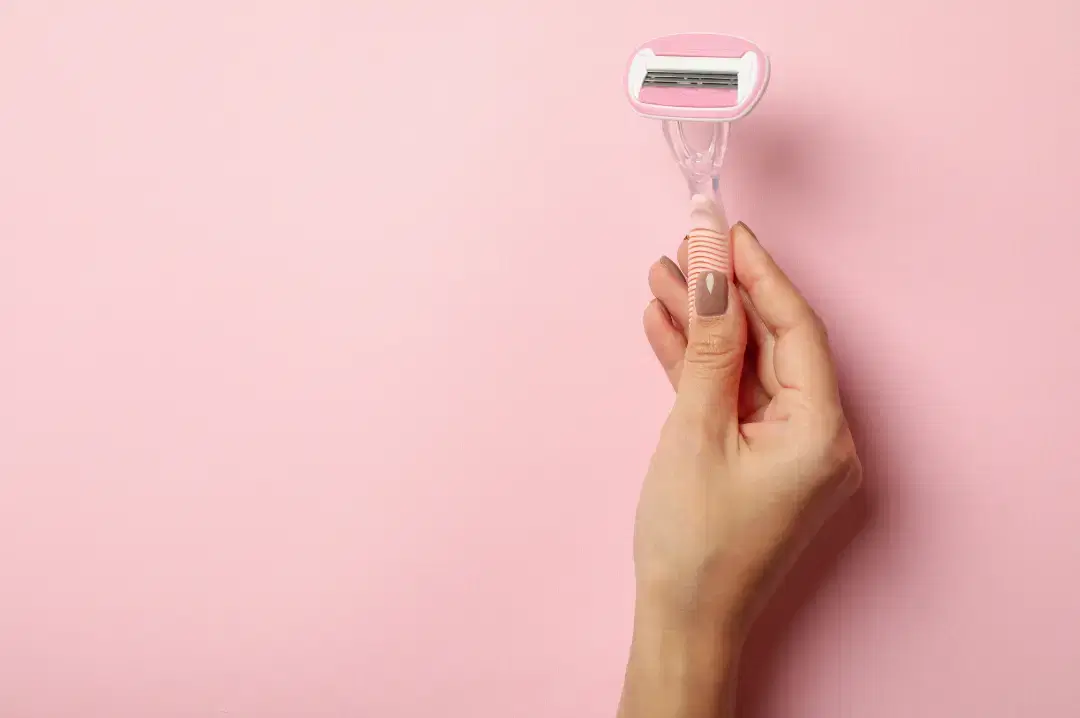
Razors (**especially nice women's razors**) are a time-tested way to get hairless skin. They're not for everyone, and may not fit your needs as well as some of the other methods here.
If you taught yourself to shave, you probably didn't have anyone show you how to shave parts of your body other than your face. That's most of us.
There are different shaving techniques, different considerations for razor type and blade count. A cheap razor used well beats a premium razor used wrong.
Pros
- Shaving is time-tested, and the most popular hair-removal method
- Shaving is relatively cheap with lots of options for different skin types
- Regular shaving can improve the structure of hair regrowth and soften your skin
Cons
- Most people see ingrown hairs occasionally after shaving, especially in areas they don't often shave
- Without good technique, or for sensitive skin: shaving can cause razor bumps, razor burn, cuts, and other blemishes
- Razors get expensive over time
- It's time-consuming and a hassle to keep buying razors
- Depending on technique, you may not get close enough to the skin for a perfectly smooth finish
- At typical hair regrowth rates, shaving has to be done regularly and often

Thoughts and Tips
Most people end up using two or three methods across different body zones. Legs might be IPL, underarms shaving, chest trimming. Optimize per area, not per method.
For thighs, butt, chest, armpits, and everywhere else, there are usually better options than shaving. The methods below have worked better and longer for me, but that might not be true for your body type.
When I do shave, I use a nice women's razor with fewer blades designed to get close to the skin in the bikini region. Three blades is the sweet spot for most body zones.
Some razors have built-in pads that deliver aloe onto your skin as you shave. Sounds gimmicky. It isn't — the razor-burn reduction is real.
A trick I've been told: use moisturizer instead of shaving gel for a smoother, closer shave. It comes with downsides — an oily moisturizer can clog your pores and dull razors faster.
Use it in a pinch, not as your daily method. Some people also wash the area beforehand using body washes that strip the natural oils from the skin — that leads to a rougher shave and more irritation.
Because shaving is the most widely-used method, there's huge flexibility in how you mix razors, creams, gels, and lotions. Check out our guide to avoiding ingrown hairs.
Trimming
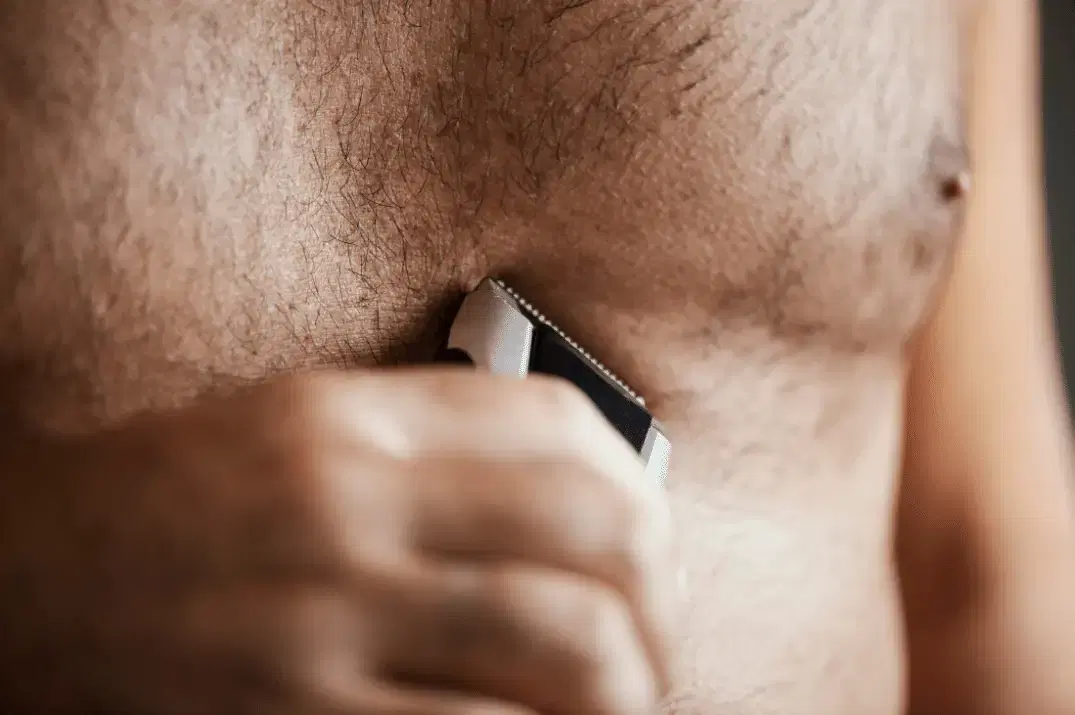
A lot of people complain about how long shaving their thighs and butt takes and never try trimming instead.
With a body trimmer designed to get close to the skin, you can churn through most of the work needed to stay hair-free.
We wrote a guide on minimizing the time it takes to get and stay hairless here.
Pros
- Heavily cuts the time it takes to get and stay hairless
- These electric razors last a long time and have reusable heads
- The close-cut trimmers mimic a mechanical razor's finish
- Several work in the shower and are water-resistant
- You can discreetly go from shaving your face to shaving your body
- You can get rid of a lot of hair quickly in bulk
Cons
- The batteries aren't great, and eventually require charging before every shave
- Going fast means bad cuts if you're not careful
- Trimmers are less suitable for work close to the genitals or anus
- Hair still grows back at the same rate as with a traditional razor
Waxing
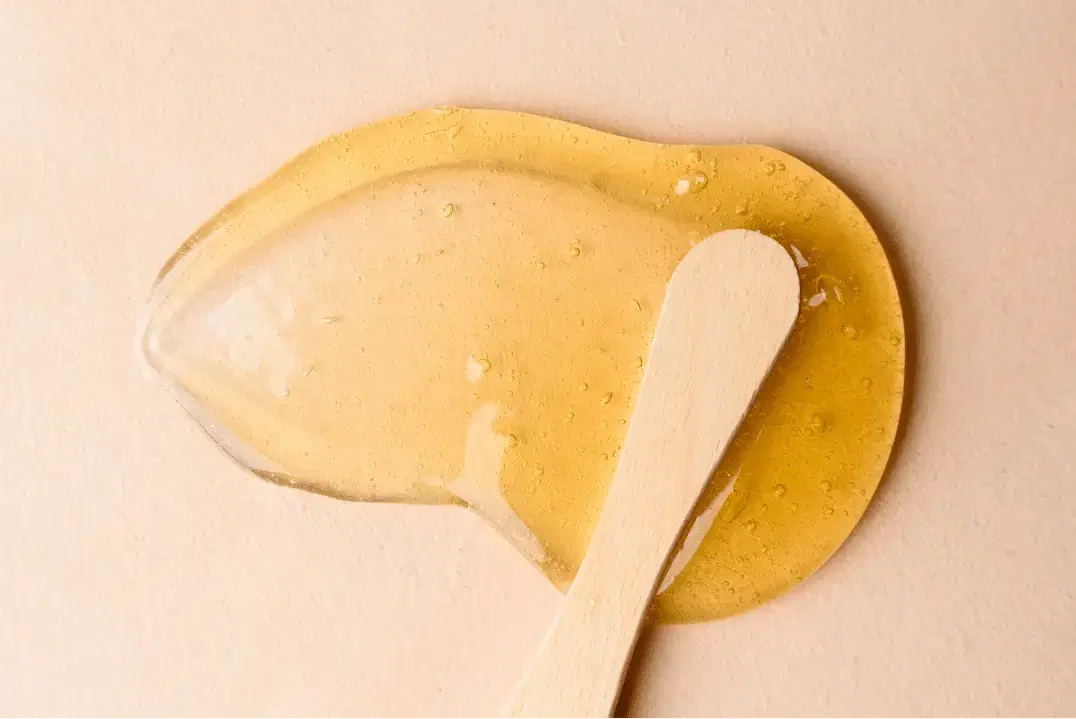
The main appeal of waxing is a more thorough hair-removal job, where the hair is gone and stays gone for weeks.
That can be the result, but there are drawbacks too. Let's look at what you can expect from a good at-home waxing kit.
If you don't have experience waxing, you're going to mess it up a couple of times before you get it right. When you mess it up, it hurts. With thick, coarse pubic hair, it hurts a lot even when done right.
I heard the warnings when I bought the waxing kit above and thought "I can handle it." I toughed it out — bled, cried involuntarily, spent DAYS getting the irritation down.
The result: a completely hairless pubic region that stayed that way for about a month. That part delivered as advertised.
I will never do it again without ibuprofen loaded 45 minutes ahead. It was thorough and lasting, but the cost was real — prep dulls the edge.
Pros
- Long-lasting hair removal
- Leaves behind smooth, hairless skin
- Waxing weakens hair follicles and results in thinner hair that grows back slower
- After buying a nice starter waxing kit, wax is usually cheap
- Waxing hair that isn't thick, dark, or coarse is highly effective
- Once you get the technique right, waxing gets faster
Cons
- Pain can be severe and debilitating
- The pain is worse if you're bad at waxing
- Waxing often leaves a lot of skin irritation
- Different kinds of wax for different kinds of hair
- There's a learning curve on wax type, temperature, and add-on products
- Buying wax, sticks, and paper regularly adds up
- If you're not careful, the mess isn't easy to clean up
- You often have to wait for hair to grow to the right length before waxing again
Epilating
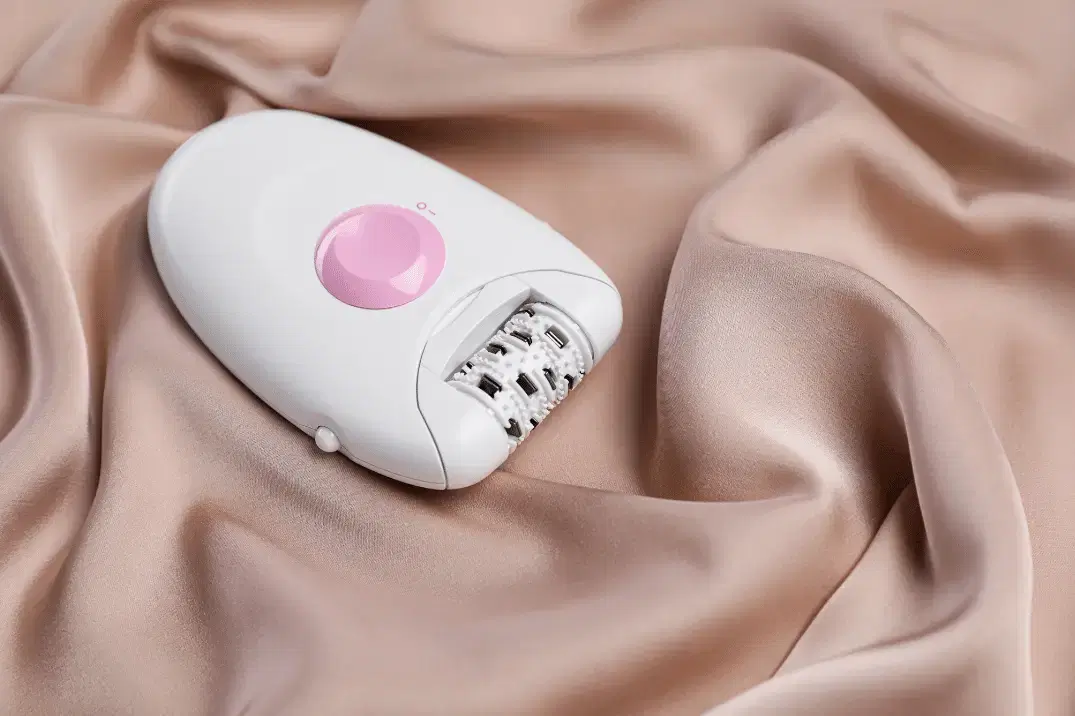
Epilating is a combination of trimmer and waxing approaches. A good epilator gives you your money's worth.
Think of it as a waxing machine, or more accurately, an automated hair-tweezing machine. An epilator rapidly plucks hairs out of your skin to leave it hair-free.
The upside: you can stop whenever you like without getting into cleanup duty. No wax to wipe off, no strips to reposition — just rest if the pain is too much.
You can also draw the process out at a slow pace, which is harder with waxing since the wax cools and sets.
Pros
- Short of the initial purchase, no add-ons needed to epilate
- Several epilators work in the shower or plug straight into the wall so they don't need charging
- You can go as slow as you want
- Done right, epilating completely removes hair in treated areas
- Results are long-lasting, same as waxing
- Cleanup is easy
- Fast once you get the hang of it
- It's harder to *epilate wrong* than to wax wrong
Cons
- Like waxing, pain can be bad
- Some epilators don't let you adjust the speed
- Epilating at a bad angle on fragile hair can damage hairs
- Mild bleeding is **normal** while epilating
- Cheap or worn epilators can occasionally cut or snag skin
- Epilating is NOT suitable for loose skin around the genitals
Which hair-removal method suits you?
Pick the answer closest to your priorities. We'll point you at the method most people with that priority end up sticking with.
Nair, Veet, and Depilatory Creams
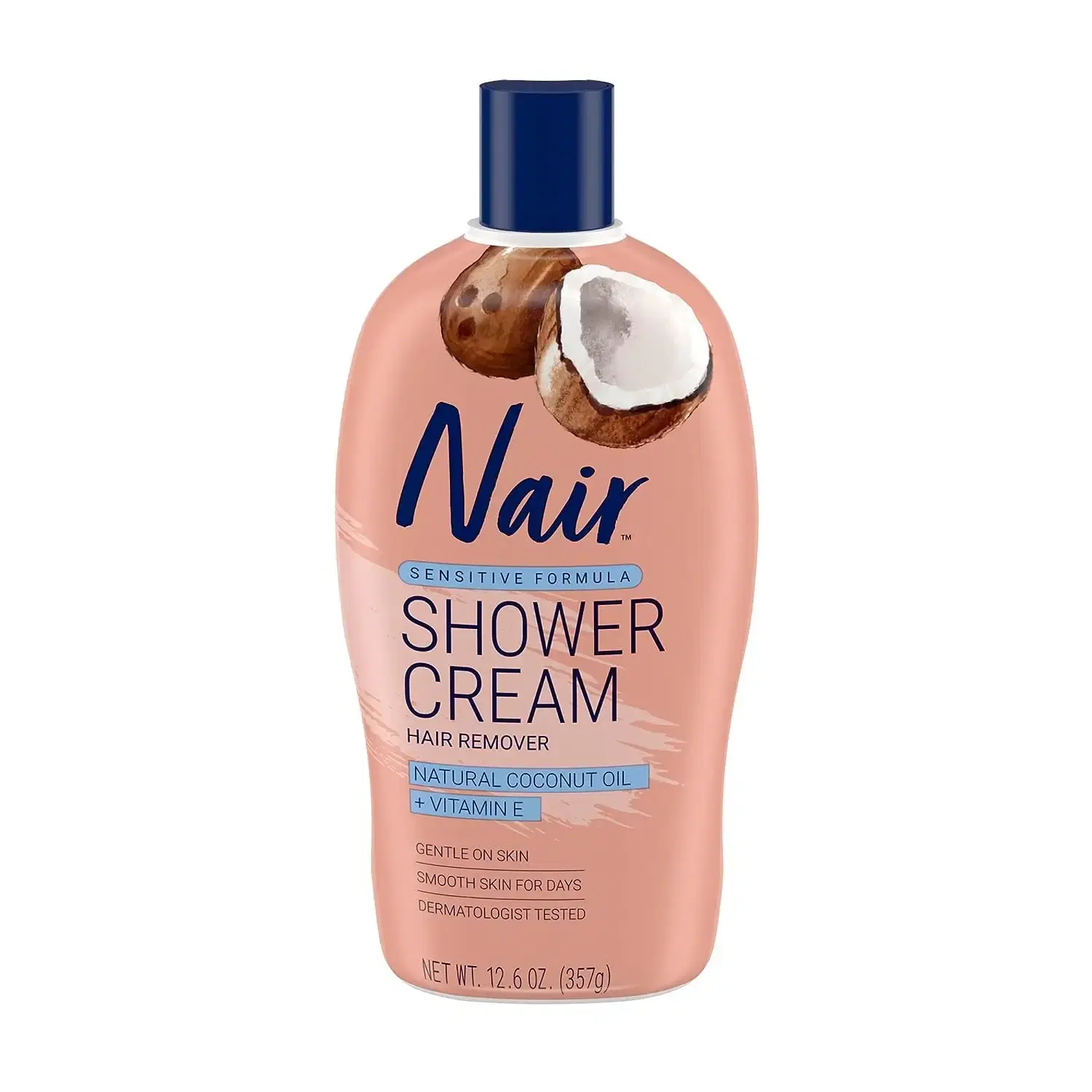
If you're interested in using Nair or other depilatory creams for a hairless butt or thighs, we wrote a more detailed article on that here.
The appeal of these creams is a convenient, low-effort solution to getting rid of all your hair. You smear, you wait, you rinse.
The creams break hair down at the skin surface. They don't penetrate your skin to kill hair follicles. Best case: results close to shaving against the grain. Regrowth shows up in 3-5 days.
For thighs or butt, there's a variant of the cream with oils that soothe the skin while the hair dissolves. Get that one.
The process
- Put the cream on your skin, covering the hair, but don't rub it in
- Wait under 10 minutes, usually, for the hair to dissolve
- Pop in the shower and rinse off the liquid hair/cream mess
It seems simple, and usually is. You can still run into issues with skin irritation, timing, and knowing when to wipe it off.
Check out the article on Nair'ing your thighs and butt here if you're interested. That one has every piece of advice I could fit.
Pros
- Low-effort surface-level hair removal
- Usually quick
- Many creams to pick from, some specialized (Nair, Veet, Nads)
- Cleanup is easy — same as rinsing body wash
- Some creams let you shower with them on
- Easy to remove a lot of hair quickly
Cons
- You're putting an acid cream on your skin, so irritation is common
- The smell of dissolving hair, especially rinsing in the shower, is disgusting
- Accidentally getting these creams on sensitive areas (like genitals) is very painful
- You often can't use these creams on your genitals or anus
- Easy to accidentally get it on other skin like your face or in your eyes
- These creams may not work on thick, coarse hair like pubic hair
- Creams can temporarily increase skin sensitivity
IPL Kits
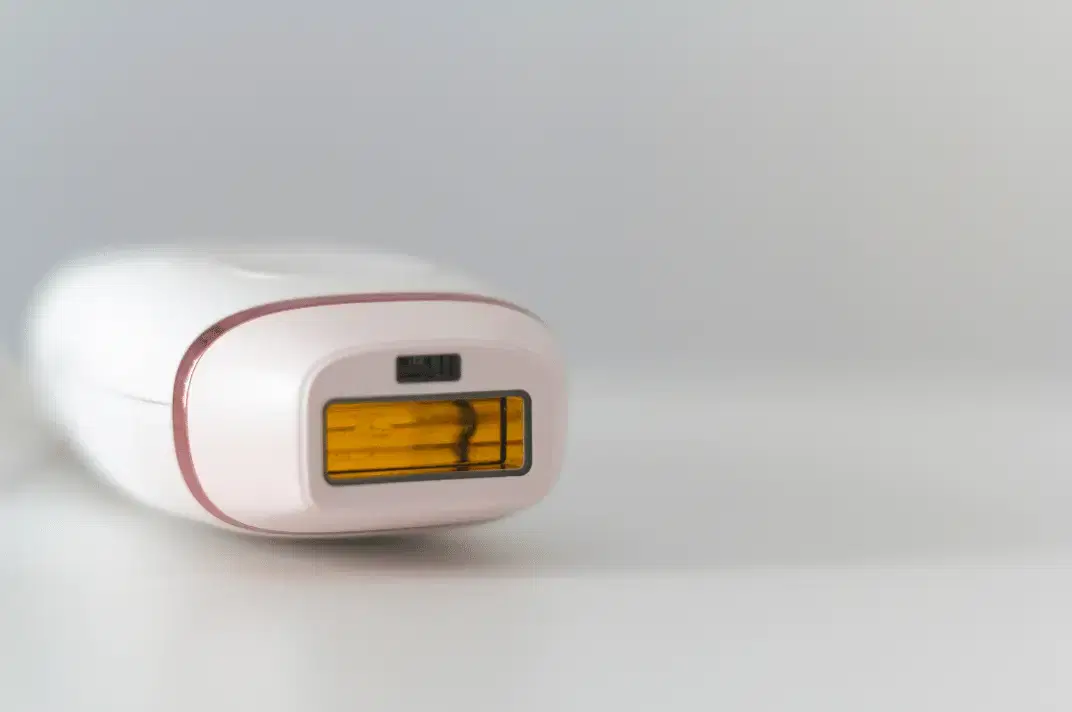
IPL stands for Intense Pulsed Light. This method has gotten a lot of attention in the past few years, and for good reason — IPL kits offer a semi-permanent solution to unwanted body hair.
The process is simple. A handheld device emits light pulses absorbed by the pigment in your hair, heating and damaging the hair follicle so it slows or stops future growth.
IPL doesn't rip anything out. No tears, no screams, no sticky disasters. The tradeoff is commitment — most at-home kits need weekly sessions for 8-12 weeks before results show.
Most at-home kits (this one I used, or a cheaper one that works just as well) need weekly sessions for the first 8-12 weeks, then occasional touch-ups.
The tech relies on contrast. If your hair is very light or your skin is very dark, results may be disappointing or inconsistent. Patch-test on an inner arm before committing.
For people in the right category who stick to the schedule, the results are substantial. I noticed way less regrowth after a month, and after three months some areas stopped growing hair.
Pros
- Long-term reduction of hair growth
- Much less painful than waxing or epilating
- Can be done at home with no mess
- After the initial investment, no constant supplies to buy
- Works well on large areas like legs, thighs, and chest where shaving is annoying
- Over time, skin feels smoother, softer, and less irritated
- The session itself feels like a calm self-care ritual
Cons
- Requires consistent use for weeks or months before full results
- Not effective for very light hair or very dark skin tones
- Initial cost runs high (though pays off over time)
- Can cause skin sensitivity or mild burns if misused
- You need to shave the area first — no skipping steps
- Some areas (around genitals or darker tattoos) are not safe for IPL
- If you stop, hair can slowly return over time
Salon Hair Removal
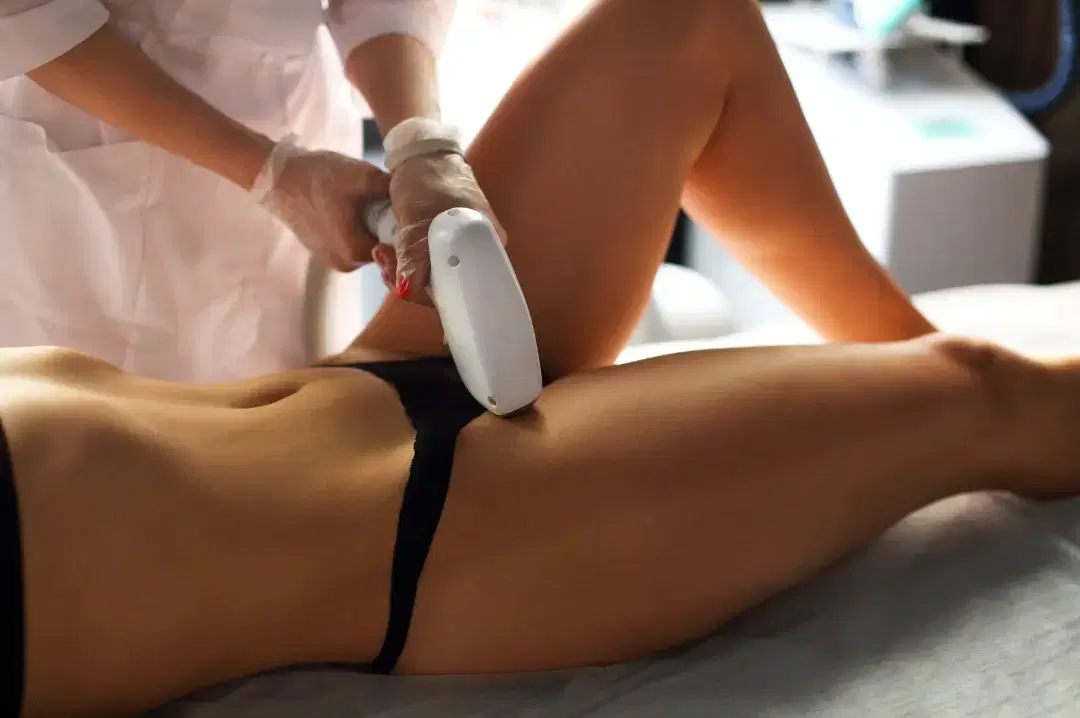
Sometimes the best option is handing things over to the professionals. Salon hair removal covers professional waxing, sugaring, threading, and laser done by trained estheticians.
There's something quietly affirming about booking the appointment, walking in, and saying, "I want this hair gone." It can feel scary the first time — it's also a moment of choosing yourself.
The wax is the right temperature. The tech has done this hundreds of times. Tools are clean, lighting is good. You show up and breathe through it.
If you want flawless results — smooth legs, a clean bikini line, full-body smoothness — it's hard to beat a pro job. For hard-to-reach or extra-sensitive areas, having someone else handle it is a relief.
There's also a psychological side. Being touched with care, having your body seen and treated gently, can be deeply healing if you've ever felt self-conscious about how your body looks with hair.
Salon treatments are rarely cheap and upkeep gets expensive. Letting someone else see your body up close can also feel intense the first few times.
For those who are open to it, salon treatments become a small ritual. Walking out smooth, soft, and taken care of builds quiet confidence over time.
Pros
- Professional results that are hard to replicate at home
- Less risk of mistakes like burns, bruises, or missed patches
- Techs are trained to handle intimate and sensitive areas with care
- Can feel affirming and body-positive
- No cleanup — you walk in and walk out smooth
- Great for special occasions
- Some methods (sugaring, laser) can reduce hair regrowth long-term
- Salons offer a wide range of other beauty services
Cons
- Cost adds up, especially with regular visits
- Intimidating the first few times
- You need to be comfortable with someone else seeing and touching your body
- Appointments take time, and you'll likely need to travel to the salon
- Some areas may still feel uncomfortable or painful during treatment
- If you're private, this might not be your method
- Not all salons are LGBTQ-friendly — finding a welcoming place matters
Tweezing
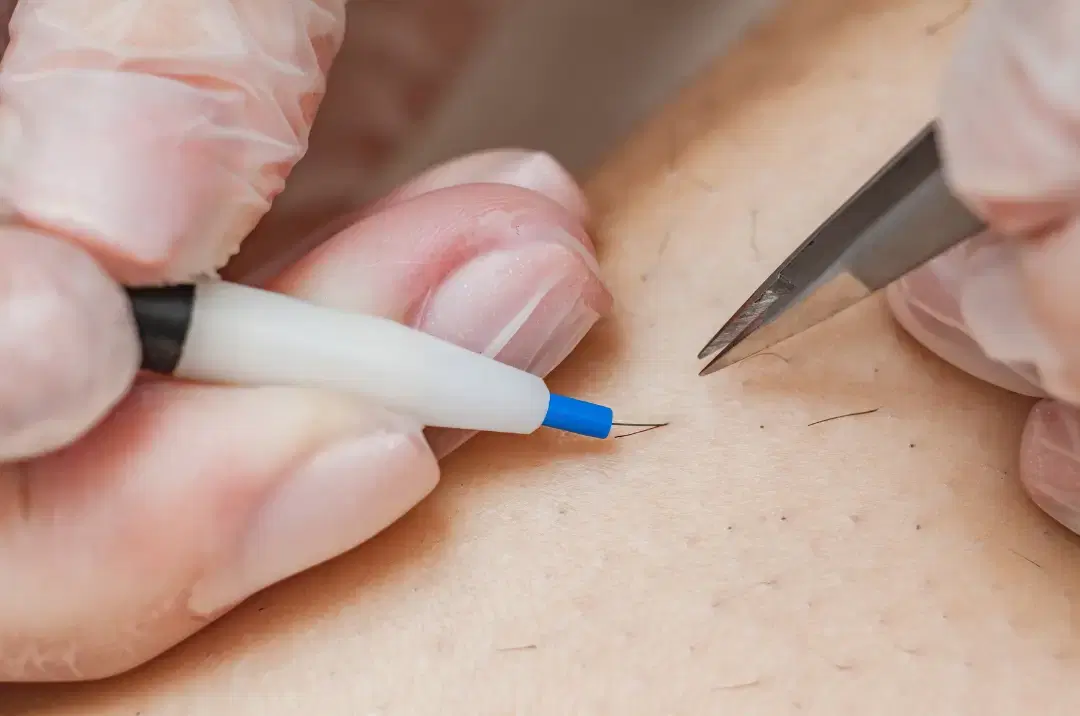
Tweezing is the old-school, up-close approach to hair removal. It's not the flashiest method, and it's not fast.
With a nice pair of salon-quality tweezers, it still has its place. The most common spots: brows, stray hairs around the bikini line, and occasional ingrowns that need extra attention.
I have a friend who hates epilating but loves epilating results. His solution? Tweezing off all his pubic hair by hand. Sounds insane. He's been doing it for years and swears by it.
Tweezing is not great for large areas. Trying to tweeze a whole thigh or arm would take hours and leave you sore and patchy.
For touch-ups, fine-tuning, or shaping, it's an incredibly useful tool to have in the drawer.
Tweezing isn't the full-body flinch of waxing — it's a tiny sting that adds up. With practice the discomfort gets easier, especially when you control the rhythm.
If you enjoy quiet, detailed self-care, tweezing can feel comforting. It's a slow way to reclaim small parts of your body on your own terms.
Pros
- Extremely precise — great for brows, stray hairs, or shaping
- No heat, chemicals, or devices — just a good pair of tweezers
- Affordable and low-maintenance once you own the tools
- Lets you control exactly what gets removed
- Can become a calming ritual for some people
- Ideal for quick clean-up between waxes or shaves
- No regrowth wait — pluck as soon as hair appears
Cons
- Slow and tedious for anything bigger than small areas
- Discomfort, especially for sensitive skin
- Overplucking can cause patchy spots or permanent hair loss
- Not ideal for thick or coarse hair — it can break instead of pulling cleanly
- Ingrowns or redness can occur if done carelessly
- Needs a steady hand and good lighting
- Easy to obsess and overdo it
Preparing for Hair Removal
Every method above works better when the skin is prepped. Exfoliation, hydration, and timing decide whether you end up smooth or irritated.
Exfoliate
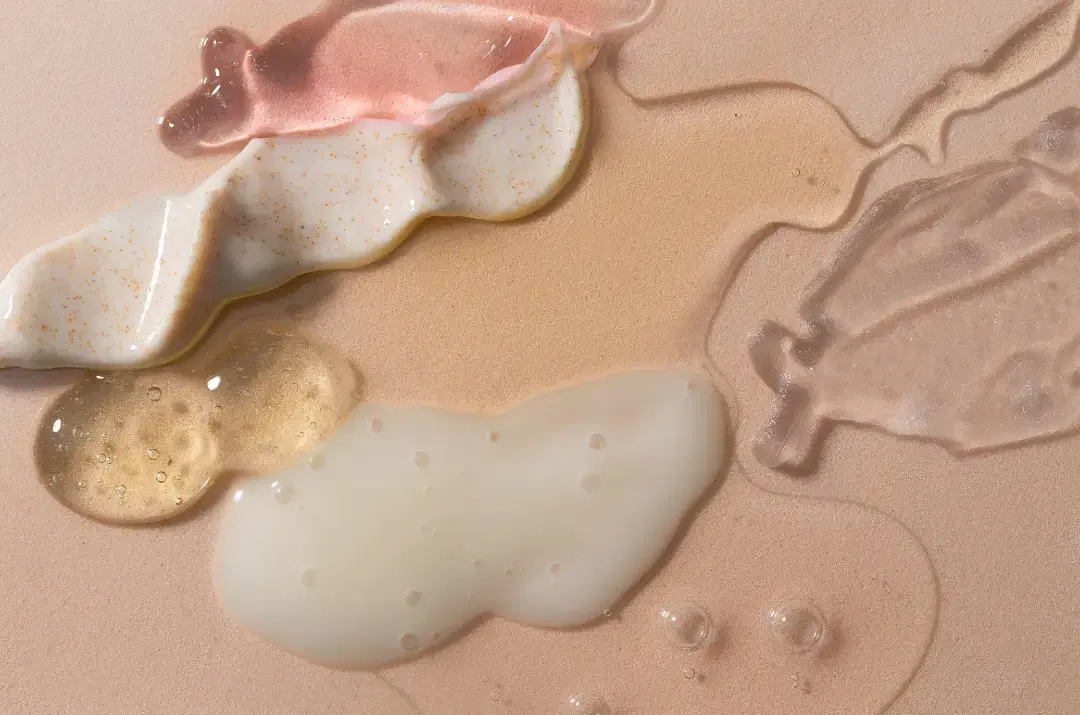
Before any hair-removal method, let's talk about one of the most overlooked — but essential — steps: exfoliating.
For smooth, happy skin with less irritation, exfoliation is your best friend. It removes dead skin cells sitting on the surface, and it makes a huge difference for shaving, waxing, tweezing, or depilatory creams.
Done right, exfoliation prevents clogged pores, reduces ingrown hairs, and creates a cleaner surface for hair removal to work on. It also keeps skin softer and fresher.
Let's look at the main kinds of exfoliating and how they fit into your routine.

Mechanical Exfoliants
Mechanical exfoliants are physical tools or scrubs that remove dead skin by creating gentle friction. Related: A Beginner's Guide to Exfoliating.
Think: loofahs, exfoliating gloves, sugar scrubs, washcloths, and those soft shower poofs that feel silly until you realize they work.
If you're just starting your skincare routine, adding a scrub or textured cloth to your shower is an easy win. It feels good and works fast.
Before shaving, waxing, or using depilatories, exfoliating with a scrub lifts the hair and prevents ingrowns. That helps on legs, arms, or anywhere you want a smooth canvas.
Don't go too hard if your skin is sensitive or you're prepping to wax. Over-exfoliating makes everything sting way more.
Once or twice a week is usually enough unless you're working with a very gentle exfoliator. Balance matters more than aggression.
Pros
- Inexpensive and easy to find in most stores
- Leaves skin feeling noticeably smoother after one use
- Preps skin perfectly for shaving, waxing, or creams
- Helps prevent ingrown hairs and clogged pores
- Feels nice and fits into a calming self-care routine
- Loofahs and gloves can be reused or swapped out for hygiene
Cons
- Can irritate sensitive skin if used aggressively
- Not ideal for the face or very delicate areas
- Overuse can leave skin red, dry, or inflamed
- Tools need cleaning or replacing regularly to avoid bacteria buildup
- Can't reach deep into pores the way chemical exfoliants can
- Might not be enough alone for prepping very stubborn hair

Chemical Exfoliants
Chemical exfoliants sound scary but aren't. Instead of physically scrubbing, they dissolve the dead skin cells sitting on the surface.
The result is softer, clearer, more even skin. The most common types are salicylic acid (BHA), glycolic acid (AHA), and lactic acid.
These come in gentle concentrations — toners, body serums, exfoliating pads, and some cleansers. They're made for regular use, not one-time stripping.
You'll find them in toners, body serums, exfoliating pads, and some cleansers.
If you've ever had bumpy skin on your arms or thighs (hello, keratosis pilaris), chemical exfoliants work wonders.
Prepping with a chemical exfoliant before shaving clears follicles and cuts ingrown hairs. Used consistently, it also fades post-shave hyperpigmentation.
Your skin is a living thing, not a countertop. Start slow — once or twice a week at first — and pick one exfoliation method per session.
Pros
- No scrubbing needed — gentle and hands-off
- Prevents ingrown hairs and clogged follicles
- Improves skin texture over time
- Can fade dark spots and post-shave irritation
- Works well on bumpy or uneven skin (upper arms, thighs)
- Pairs well with shaving routines on alternate days
Cons
- Can cause irritation if overused
- May sting a little the first few times, especially after shaving
- Can make skin more sun-sensitive (use SPF)
- Not ideal right before waxing or depilatories — raises sensitivity
- Requires patience — results build gradually
- Easy to overdo if mixing products without understanding ingredients
Proper Technique
Prep sets the stage. Technique decides the result. The next sections cover shaving, trimming, waxing, epilating, and depilatory creams step-by-step.
Shaving Technique
Shaving is probably the first hair-removal method most people try. It's approachable, inexpensive, and works immediately.
With a razor, patience, and a bit of prep, you can get super smooth skin all over your body. That smooth, silky skin right after a shower? Hard to beat.
If you want that clean, hairless look without razor burn, bumps, or ingrowns, technique matters. The four rules below are the ones that decide the outcome.
1. Never dry shave
Never dry shave. Hydrate your skin first. Warm water softens hair and opens pores — hop in a steamy shower for a few minutes before picking up the razor.
2. Use a sharp, clean razor
Use a sharp, clean razor designed for what you're doing. Dull blades tug at hair — that's where cuts and irritation come from.
Keep things clean and change razor heads regularly. Every 2-3 weeks for body work, sooner if the blade tugs.
I could not recommend the Gillette Venus Women's Disposable Razors any more for this. They have never let me down. They're cheap too.
3. Shaving cream isn't optional
Shaving cream or gel is not optional. It's your buffer — keeps the skin protected and lets the blade glide.
Even better if you find one with soothing ingredients like aloe or oat extract. Those cut post-shave redness significantly.
For stomach, thighs, or groin, go extra slow. Shave with the grain first, then a second gentle pass against it for an ultra-smooth finish.
4. Moisturize after, always
After shaving, rinse with cool water and pat dry. Then moisturize — always moisturize. It calms the skin and prevents those bumps from showing up later.
Trimming Technique
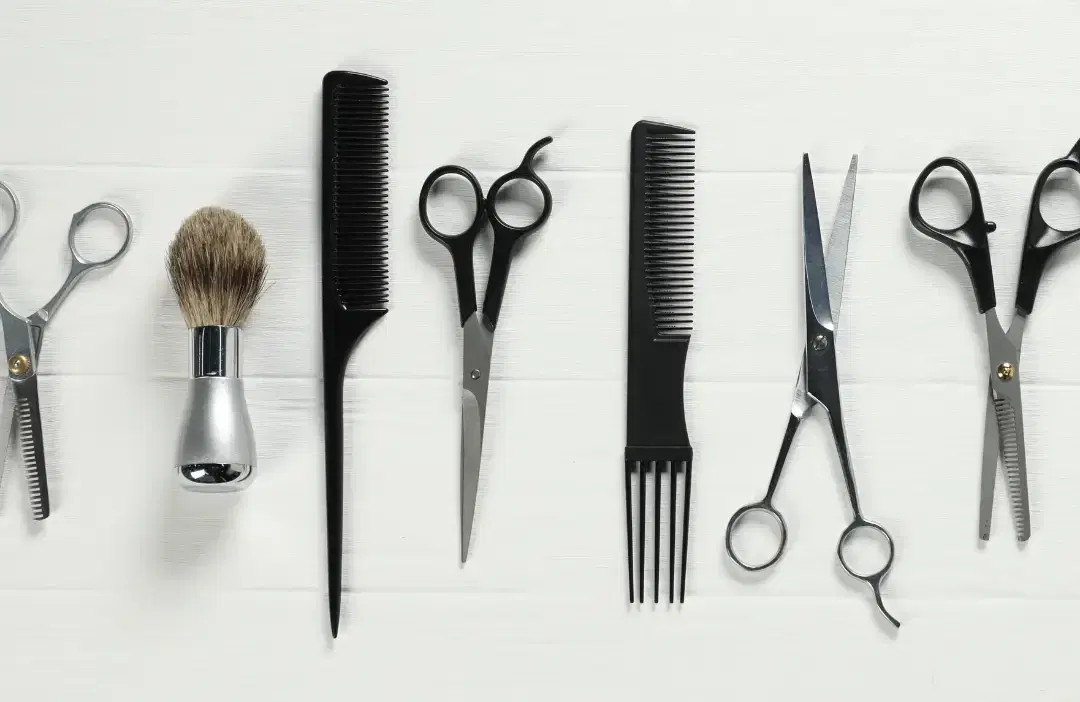
Trimming is the middle ground between shaving and letting things grow wild. It isn't about going totally smooth — it keeps you clean, soft, and tidy without razor or wax downsides.
For a lot of people, trimming is the right balance. Especially with sensitive skin or if shaving always ends in razor bumps and ingrowns.
Trimming is usually a first step for shaving, waxing, and other removal methods. Long hair clogs razors and pulls worse with wax.
Trimming lets you cut hair short without taking it to the skin, which is a huge relief in tender areas.
For body hair, a good electric trimmer that gets **close to the skin** is best. Pick one with guards or adjustable lengths so you can pick how short to go.
Clean #1 or #2 trim (or no guard) leaves skin looking neatly groomed, soft to the touch, and still natural. Most people land here for chest and legs.
For shaving your thighs, butt, and pubes with a Philips Norelco OneBlade, there's now an "OneBlade Intimate" built for those more private regions.
Technique
Trim dry, not wet. Water flattens hair and makes it harder to catch. Pull the skin taut if you're trimming somewhere stretchy like inner thighs or lower stomach.
Move slowly, carefully, and with intention. Rushing is how nicks happen. For chest, arms, or legs, longer guard settings leave you with a soft, even look.
For groin, underarms, or butt, a bare blade works. Go slow and never press hard. Your skin will thank you for the patience.
Your skin still went through friction, and treating it gently is always a good move. A light, fragrance-free lotion cuts post-trim irritation.

Waxing Technique
If you're going to wax, you can't just jump in raw. Prep is everything for making the experience suck less and the results look better.
Waxing isn't shaving. You're ripping hair out from the root. When you want soft, clean skin you feel good in, you don't want bumps, irritation, or leftover patches killing the vibe.
Step 1: Hair length
Too short and the wax can't grip it. Too long and it hurts more than it needs to. The sweet spot is about 1/4 inch — like a grain of rice.
If it's longer, trim it down before you go in. Yes, really.
Step 2: Clean skin
Shower first and make sure the area is free of sweat, oils, lotions, or deodorant. Anything on the skin changes how the wax sticks — more pain, more mess, worse results.
Step 3: Gentle exfoliation
After cleaning, gently exfoliate the area — but not too aggressively. A soft scrub or dry brush lifts the hair and clears dead skin.
Don't use anything rough. We're not sanding furniture.
Step 4: Dry completely
Once exfoliated, pat dry. Skin should be completely dry and cool before waxing. Some people dust baby powder or cornstarch over the area to absorb moisture — it helps the wax stick to hair, not skin.
If it's your first time, this is going to hurt. Breathe deep, count to three, remind yourself why you're doing it. The pain is temporary, the smooth skin isn't.
Pro tip: Don't wax right before a big event. Give yourself 24-48 hours for redness or irritation to calm down, especially in sensitive areas.
The first time I did this I looked like a tomato. Give your body time to heal and your skin will look amazing by the time you show it off.
Wax Prep Checklist
- Hair trimmed to about 1/4 inch
- Skin clean — no lotions, oils, or deodorants
- Gentle exfoliation beforehand (not right before)
- Skin completely dry before you start
- Optional: light dusting of powder for better grip
- Do a small test patch if it's your first time
- Leave time for aftercare — don't wax right before going out
Epilating Technique
The key to not hating your life during your first epilation is good prep. Unprepared skin makes the pain feel like betrayal.
Step 1: Check hair length
Unlike waxing, epilators can catch shorter hairs — as short as 2 mm depending on the device. If the hair is too long, it hurts more and can tug unevenly. Trim down if needed.
Step 2: Exfoliate
Gently. Exfoliating is non-negotiable with epilators. It clears dead skin, lifts hairs, and lowers your chance of ingrowns.
A soft scrub or dry brush the night before works great.
Step 3: Clean, dry, oil-free
Shower beforehand if you can, and make sure the skin is completely dry and oil-free.
Some people epilate in the shower with waterproof models. If you're new, start dry so you can see what you're doing and control the device better.
Step 4: Technique
Hold a nice, high-quality epilator at a 90-degree angle, don't press hard into the skin, and go slow.
Seriously — slow. Let the device do the work. Tighten skin with one hand and move the epilator against hair growth with the other. You'll hear little snaps as hairs release.
If it stings too much, stop and rest. You can also try numbing creams or ice packs beforehand if you're feeling sensitive.
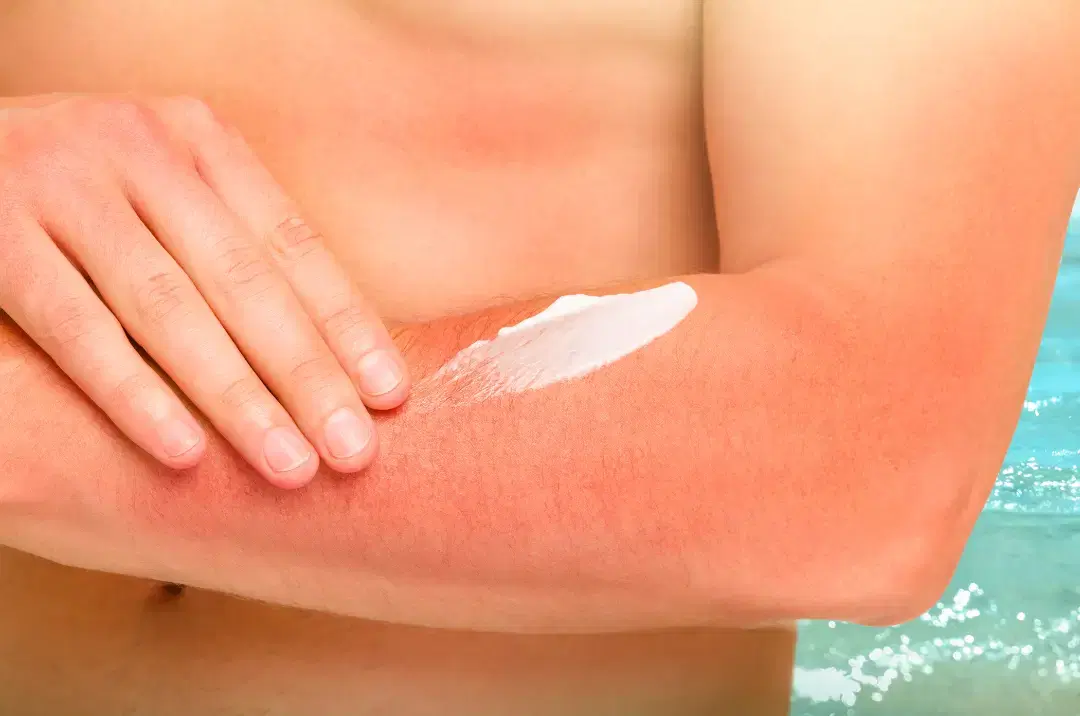
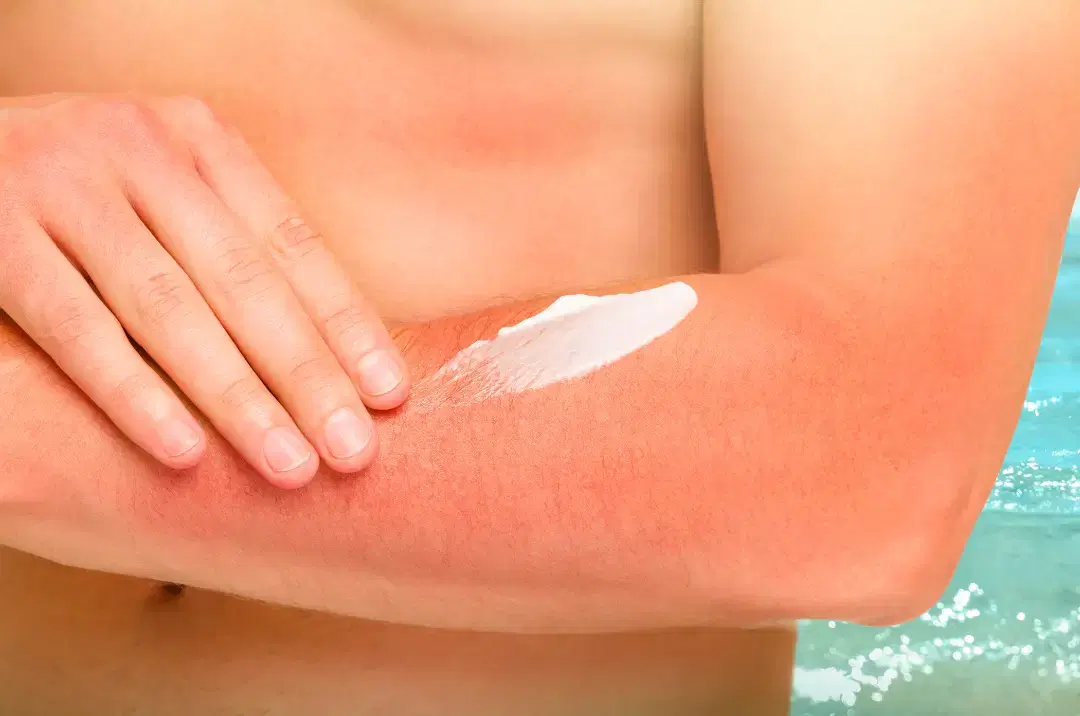
After you're done, expect redness or tiny bumps. That's normal. Moisturize with something gentle (aloe vera gel is great) and avoid tight clothes or sweating for 12-24 hours.
Prep + Technique Checklist
- Hair length: 2-5 mm is ideal
- Trim longer hair first to reduce pain
- Exfoliate the night before
- Shower, then pat dry — skin must be clean and dry
- Hold epilator at a 90° angle
- Move slowly, against hair growth
- Tighten skin with your free hand as you go
- Moisturize after with something gentle
- Expect redness — it's okay
- Don't wear tight clothes or exercise for 12-24 hours after
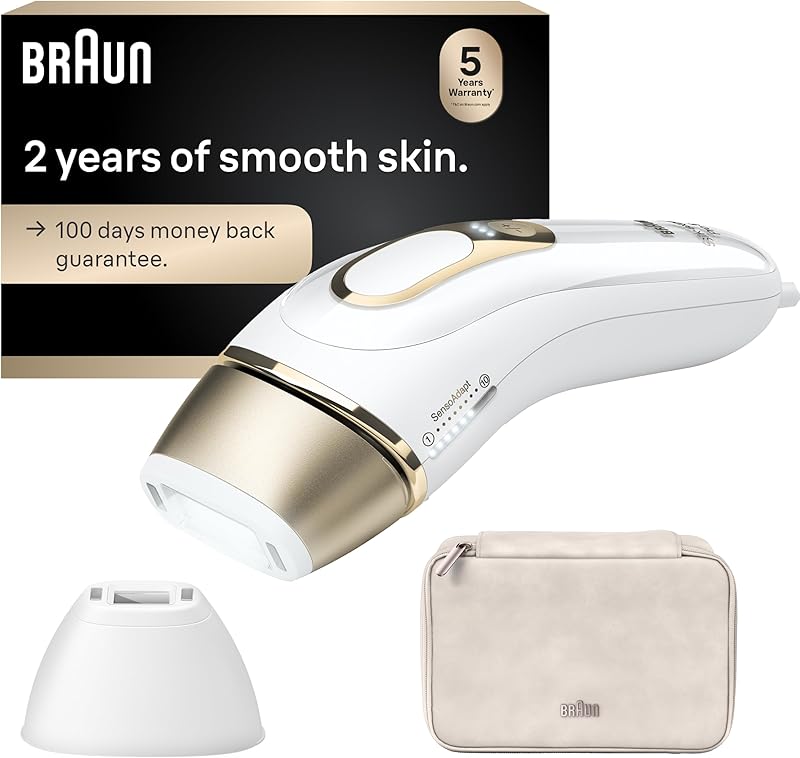
Braun Smart IPL Silk·Expert Pro
Braun
If you're going to invest in permanent reduction, the Braun Silk-Expert Pro 5 and Ulike Air 10 are the two devices most consistently recommended by people who actually finished their treatment cycle.
Depilatory Cream Technique
Depilatory creams are chemical hair removers — Nair, Veet, and Nads.
These are great if you want a pain-free way to smooth things out without sharp blades or hot wax. Smear it on, wait, wipe the hair away.
You're using chemicals that dissolve hair at the skin's surface. Use them wrong or leave them on too long and you will regret it.
Step 1: Patch test
Before anything else, do a patch test. Pick a small, hidden area of skin and test the cream at least 24 hours before using it fully.
If you react badly, better to find out on your thigh than on your inner thigh.
Step 2: Clean, dry, intact skin
Make sure the area you're treating is clean and dry. No oils, lotions, or leftover product.
Skin should be completely intact — no scratches, nicks, or razor burn from the day before. Depilatory cream plus broken skin is a no.
Step 3: Apply
Apply a thick, even layer of the cream with the included spatula (or your hand, if you're brave). Don't rub it in — this is a sit-on-top product.
Set a timer and wait the exact amount listed on the bottle. Most creams run 5-10 minutes, but you need to follow the directions on the specific product you're using.
I had luck with Nair. I'd leave it on a little over 9 minutes on dark, coarse pubic hair. Thighs took less — coarser hair needs longer.
ALWAYS follow the directions on the bottle. Don't guess. Don't say "just one more minute." That's how people end up with chemical burns. Keep cream off areas the bottle says to avoid.
Step 4: Rinse
Once time's up, gently wipe the cream (and hair) away with a damp washcloth or rinse under lukewarm water. Don't scrub.
If the hair doesn't come off easily, don't reapply right away. Wait a full day and try again, or switch methods.
Step 5: Aftercare
Moisturize with something light and fragrance-free. Aloe vera or a sensitive-skin lotion works well.
Your skin might feel a little tingly or warm after. That's normal. If it burns or stings, rinse immediately and skip that product forever.
Depilatory creams work best on legs, arms, chest, and back. For intimate areas, use a cream made specifically for that zone — Nair and Veet both make sensitive formulas.
Which one to try first: Nair usually works faster and stronger. Veet tends to be gentler and smells better. Your skin might prefer one over the other, so patch test.
Once you've picked a method, aftercare is what keeps the skin smooth. See our post-shave skincare routine and our smooth skin guide for the daily side of the equation.
Frequently Asked Questions
There is no single best method — it depends on your skin, budget, and how often you want to maintain. Most people start with shaving or trimming, then try waxing or IPL once they know what works on their skin.
Yes, as long as you prep, use a fresh multi-blade razor with shaving cream, shave with the grain, and moisturize afterward. Bumps and ingrowns usually come from skipping prep or going against the grain.
Not when used correctly. Depilatory creams are safe when you patch test first, follow the time limits on the package, and avoid broken or sunburned skin. Rinse immediately if you feel burning.
Most people see noticeable reduction after 6-8 weekly sessions, then touch-ups every few months. IPL works best on light-to-medium skin with dark hair due to the melanin contrast it relies on.
Reviewed by Alex Hayward · Last reviewed April 12, 2026
Alex Hayward—7+ years of grooming & skincare editorial experience
How we pick products
- We research dozens of products in every category, reading real customer reviews and ingredient lists.
- Where possible, we test products ourselves or consult skincare professionals for first-hand feedback.
- We prioritize products that are widely available, fairly priced, and well-reviewed by other men with similar goals.
- Affiliate commissions never influence our rankings or recommendations. Our picks stay the same whether or not a product has an affiliate program.
Keep Reading
Male Hair Removal: Every Method Ranked By Cost, Pain, And Results
Shaving, waxing, sugaring, IPL, and laser compared head-to-head for male body hair — with the right method for each body zone.

Underarm Hair For Men: Trim It, Shave It, Or Laser It?
Trim, shave, wax, and laser all compared head-to-head for male underarm hair — with the right method for your skin and goals.

The Femboy Hair Removal Guide: Face, Body, And Bikini
Every hair-removal option ranked for femboy bodies, face to ankles — with the right method per zone.
Femboy Pubic Hair: Trim, Shave, Wax, Or Leave It?
Every pubic-hair option for femboys, including the one most beginners skip — honest breakdown with pain, cost, and longevity.
More where this came from.
Dig into the rest of the library or pick a shelf to see what we've actually tested and liked.